

Can a Dentist Treat Headaches & Jaw Pain? TMJ Treatment in Chandigarh
Quick Answer
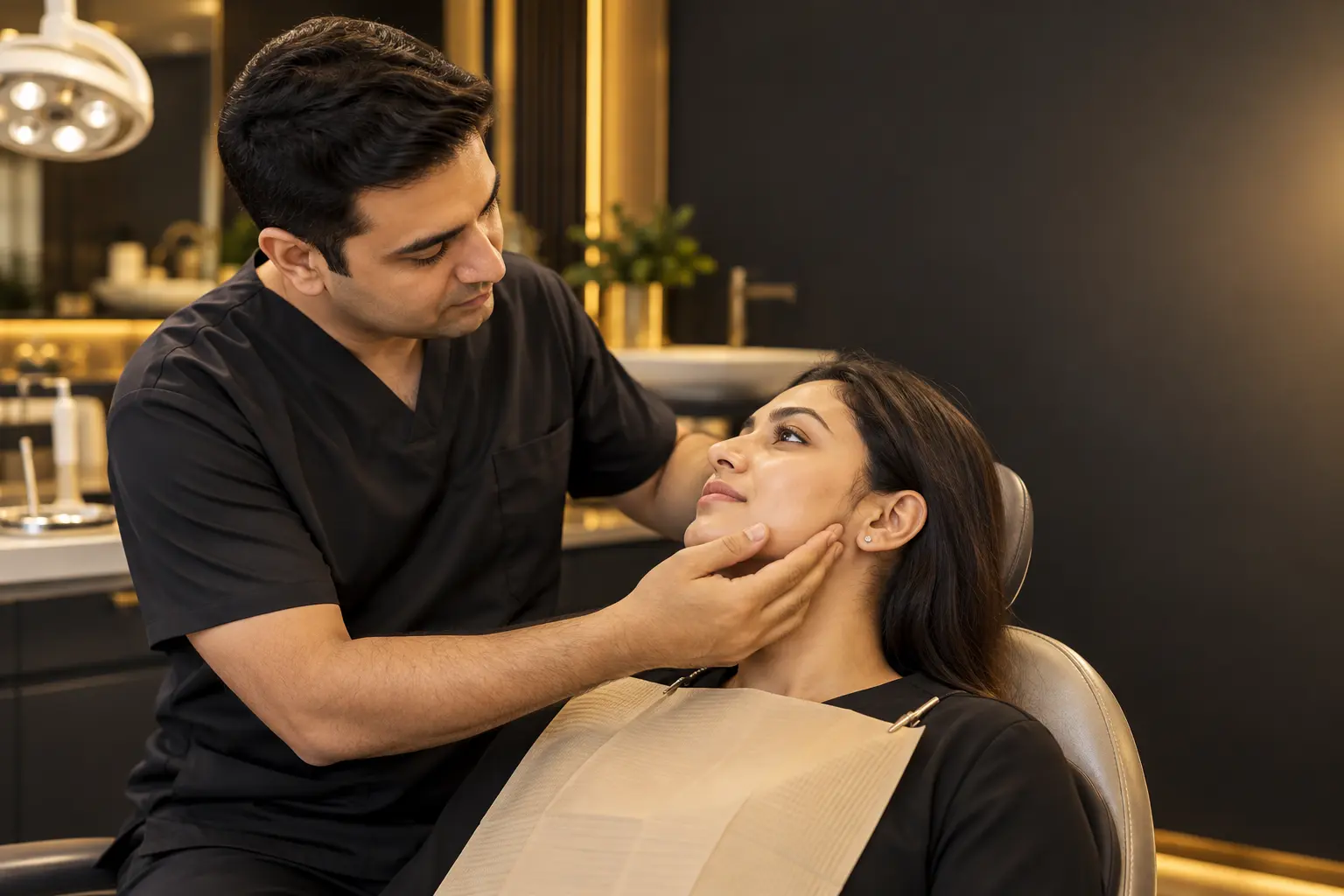
Yes — a dentist can often treat headaches and jaw pain when they stem from a TMJ disorder (TMD). Many tension headaches, facial aches and earaches are caused by jaw clenching and teeth grinding, which strain the jaw joint and muscles. Dentists treat this with custom TMJ splints matched to your diagnosis, bite correction, jaw exercises, and sometimes Botox — and roughly 90% of cases improve without surgery. If you have recurring headaches with jaw tenderness, clicking or grinding, a dental assessment is a smart first step.
If you have battled unexplained headaches, facial pain or a stiff, aching jaw — and painkillers only take the edge off — the answer may lie somewhere you would not expect: your bite. A surprising number of chronic headaches are driven by the jaw joint and the muscles around it, and that is squarely a dentist's territory. This guide, written by a practising dentist, explains how the jaw and headaches are connected, what a dentist can actually do about it, and what TMJ treatment looks like for patients in Chandigarh, Mohali, Panchkula and Zirakpur.
Key Takeaways
- Yes, dentists treat TMJ-related headaches and jaw pain — it is one of their core areas.
- Jaw clenching and grinding are common, often-missed causes of tension headaches.
- A custom TMJ splint, chosen for your specific diagnosis, is the usual first-line treatment.
- Around 90% of cases improve with conservative, non-surgical care.
- Botox and physiotherapy help stubborn muscle-driven pain.
- Early treatment is simpler — don't wait years hoping it passes.
How Are Headaches and Jaw Pain Connected?
The jaw joint and its muscles sit right beside the temples and ears, so when they are strained, the pain often shows up as headaches, facial ache and earache. The temporomandibular joint (TMJ) is powered by strong muscles that run up into the temples and down the sides of the face. When you clench or grind — often during sleep and usually because of stress — those muscles are overworked for hours at a time, exactly like any other overused muscle.
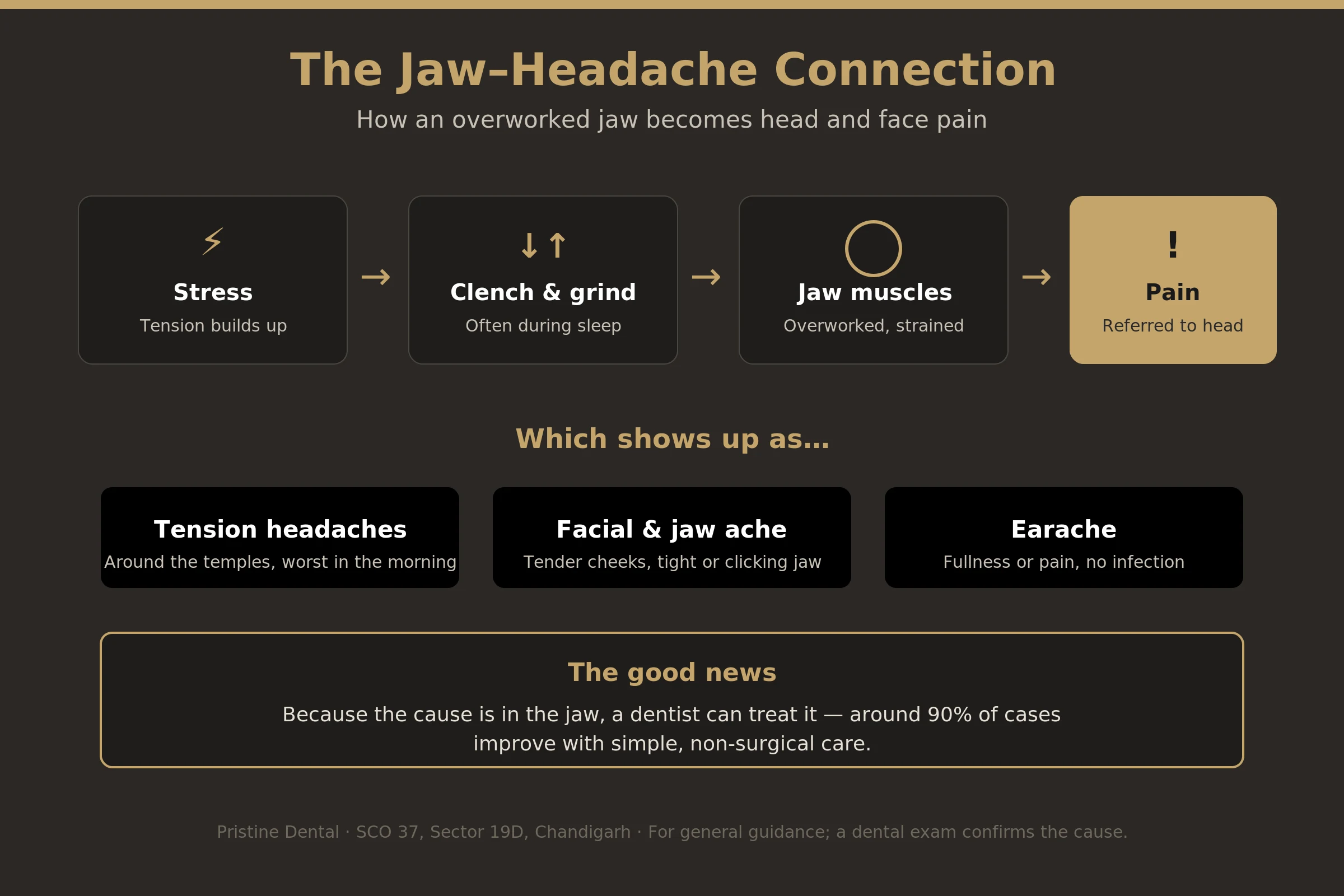
The result is a very recognisable pattern: dull, tension-type headaches around the temples, aching cheeks or jaw, earache without any ear infection, and often a jaw that clicks or feels tight. Because these symptoms seem unrelated to teeth, they are frequently blamed on migraines, sinus problems or ear trouble — and the real, treatable cause in the jaw is missed for years.
Signs Your Headaches Might Be Coming From Your Jaw
Certain clues strongly suggest a jaw origin for your headaches. You may have a TMJ-related problem if you notice:
- Headaches that are worst in the morning, pointing to night-time clenching or grinding.
- Tenderness in the jaw, temples or cheeks, especially to touch.
- Clicking, popping or a tight, tired jaw when chewing or yawning.
- Earache or a "full" ear with no infection.
- Worn, flattened or sensitive teeth from grinding.
- Neck and shoulder tension alongside the headaches.
If several of these ring true, a dentist is exactly the right person to check the cause — more so than reaching for another painkiller. You can read more about the symptoms and causes of TMJ disorders in our detailed guide.
Can a Dentist Really Treat This?
Yes. Dentists are usually the first and best professionals to diagnose and treat TMJ disorders, because the problem centres on the bite, the teeth and the jaw joint — all areas dentists work with every day. A dentist can identify grinding and clenching, assess how your teeth meet, examine the joint and muscles, and build a treatment plan aimed at the cause rather than just masking the pain. For jaw and facial pain specifically, our TMJ, headache and facial pain care is designed exactly for this.
How Dentists Treat TMJ, Headaches and Jaw Pain
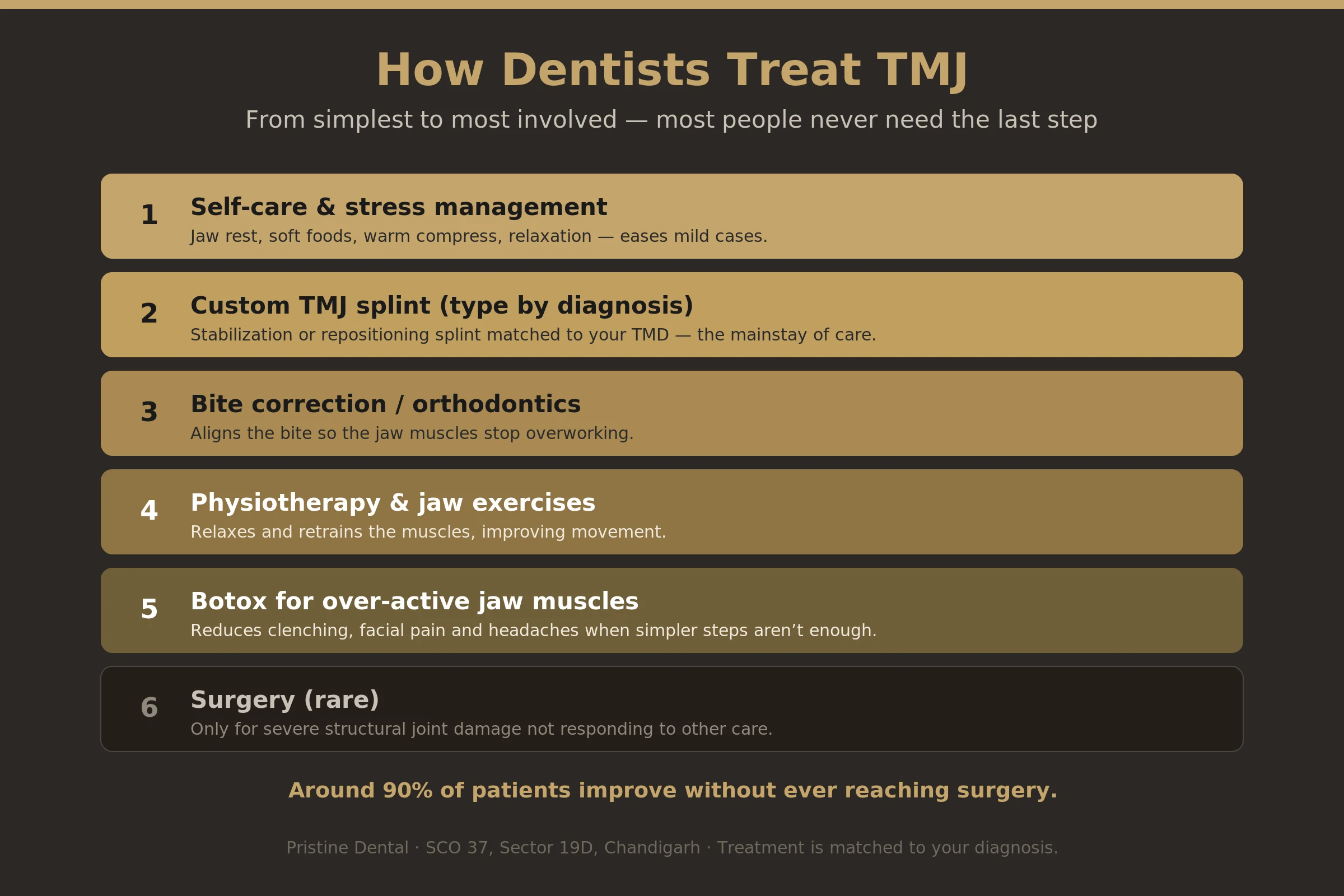
Treatment almost always starts with the simplest, most conservative options — and around 90% of patients improve without any surgery. Your dentist matches the approach to what is driving your symptoms.
| Treatment | What It Does | Best For |
|---|---|---|
| Custom TMJ splint (type by diagnosis) | The mainstay of care — a stabilization or repositioning splint chosen for your specific TMD to relax the muscles or reposition the joint | Most TMJ disorders (first-line) |
| Bite correction / orthodontics | Aligns how the teeth meet so the jaw muscles stop overworking | Bite problems, misaligned teeth |
| Jaw physiotherapy & exercises | Relaxes and retrains the jaw muscles, easing tension and improving movement | Muscle tightness and stiffness |
| Botox (masseter) | Relaxes over-active jaw muscles to reduce clenching, pain and headaches | Stubborn muscle-driven pain |
| Stress management | Reduces the clenching that drives many cases | Stress-related TMD |
| Short-term medication | Eases pain and inflammation during flare-ups | Acute pain relief |
TMJ splints: the mainstay of treatment — and why the type matters
The most important treatment for most TMJ disorders is a custom-made splint, and, crucially, the type of splint is chosen to match your specific diagnosis. This is more than a basic night guard. A simple night guard mainly protects the teeth from grinding, whereas a therapeutic TMJ splint is designed to relax the muscles or reposition the joint in the way your particular problem needs. Because different TMJ disorders call for different splint designs, an accurate diagnosis always comes first — the wrong splint for the wrong problem will not help, and can occasionally make things worse.
The main types your dentist may prescribe include:
- Stabilization (flat-plane / Michigan) splint — the most common design, used for muscle pain, clenching and grinding. It balances the bite and relaxes the jaw muscles.
- Anterior repositioning splint — used for disc displacement (the clicking or catching jaw). It gently guides the lower jaw forward to improve the disc–condyle relationship and reduce clicking and pain.
- Other designs such as anterior bite-plane or pivot-type splints — selected in specific cases.
Made precisely to fit your teeth and worn as directed, the correct splint eases muscle tension, protects the teeth and helps settle the joint. Studies of splint therapy report high rates of pain relief and improved jaw function, and most patients notice a difference within a few weeks.
When Botox or other options are added
For pain driven mainly by tight, over-worked muscles, small Botox injections into the jaw muscles can reduce their pull, easing clenching, facial pain and headaches. It is generally used when simpler measures are not enough, alongside a night guard and habit changes. Surgery is very rarely needed and is reserved for severe, structural joint problems that do not respond to conservative care.
What to Expect at a TMJ Appointment
A TMJ assessment is straightforward, comfortable and usually starts working out the cause on day one. Here is what typically happens:
- Your story. The dentist asks about your headaches, jaw symptoms, stress and sleep, and any grinding you're aware of.
- Examination. They feel the joints and muscles as you open and close, listen for clicking, check how far your jaw moves, and look for tooth wear.
- Imaging if needed. An X-ray or scan is used in some cases to look at the joint in more detail.
- Your plan. You'll get a clear explanation of the likely cause and a step-by-step treatment plan, usually starting with a night guard and simple self-care.
Simple Self-Care You Can Start Today
Alongside professional treatment, a few habits ease the strain on your jaw right away.
- Rest the jaw — soft foods, no gum, and avoid wide yawns during a flare-up.
- Warm or cold compresses on the jaw muscles to relax them.
- "Lips together, teeth apart" — catch yourself clenching during the day and let the jaw relax.
- Manage stress with relaxation, exercise and better sleep, which reduce night-time grinding.
- Gentle jaw stretches if your dentist recommends them.
These help, but if headaches and jaw pain persist beyond a week or two, professional treatment is what addresses the underlying cause.
How Much Does TMJ Treatment Cost in Chandigarh?
TMJ treatment cost depends entirely on what you need — and the most common treatment, a custom night guard, is relatively affordable. Because most patients start with conservative care, the initial outlay is usually modest:
- Consultation and assessment — a small fee for the examination that pinpoints the cause.
- Custom night guard / bite splint — the mainstay of treatment and the most cost-effective, as it prevents costly tooth wear too.
- Jaw physiotherapy and exercises — low cost, often guided at home.
- Botox — more expensive and repeated periodically, used only when needed.
- Bite correction with clear aligners or braces — a larger investment, when misalignment is the underlying cause.
Because the plan is built around your diagnosis, the only way to get an accurate figure is a consultation — where you receive a clear, itemised quote before anything begins. Viewed against years of recurring headaches, painkillers and tooth damage, treating the cause is usually the better value.
Will It Come Back? Prognosis and Prevention
The outlook for TMJ disorders is very good, and simple habits keep symptoms from returning. Most patients improve substantially with conservative care, and relapses are usually linked to stress spikes or stopping the night guard. To keep your jaw comfortable long term:
- Keep wearing your night guard as advised, especially during stressful periods.
- Stay on top of stress, since it is the biggest trigger for clenching and grinding.
- Protect the jaw — avoid constant gum chewing and biting hard objects.
- Attend regular reviews so any early return of grinding or bite change is caught quickly.
With this simple maintenance, the great majority of people keep their headaches and jaw pain under lasting control.
Why Choose Pristine Dental for TMJ Treatment in Chandigarh
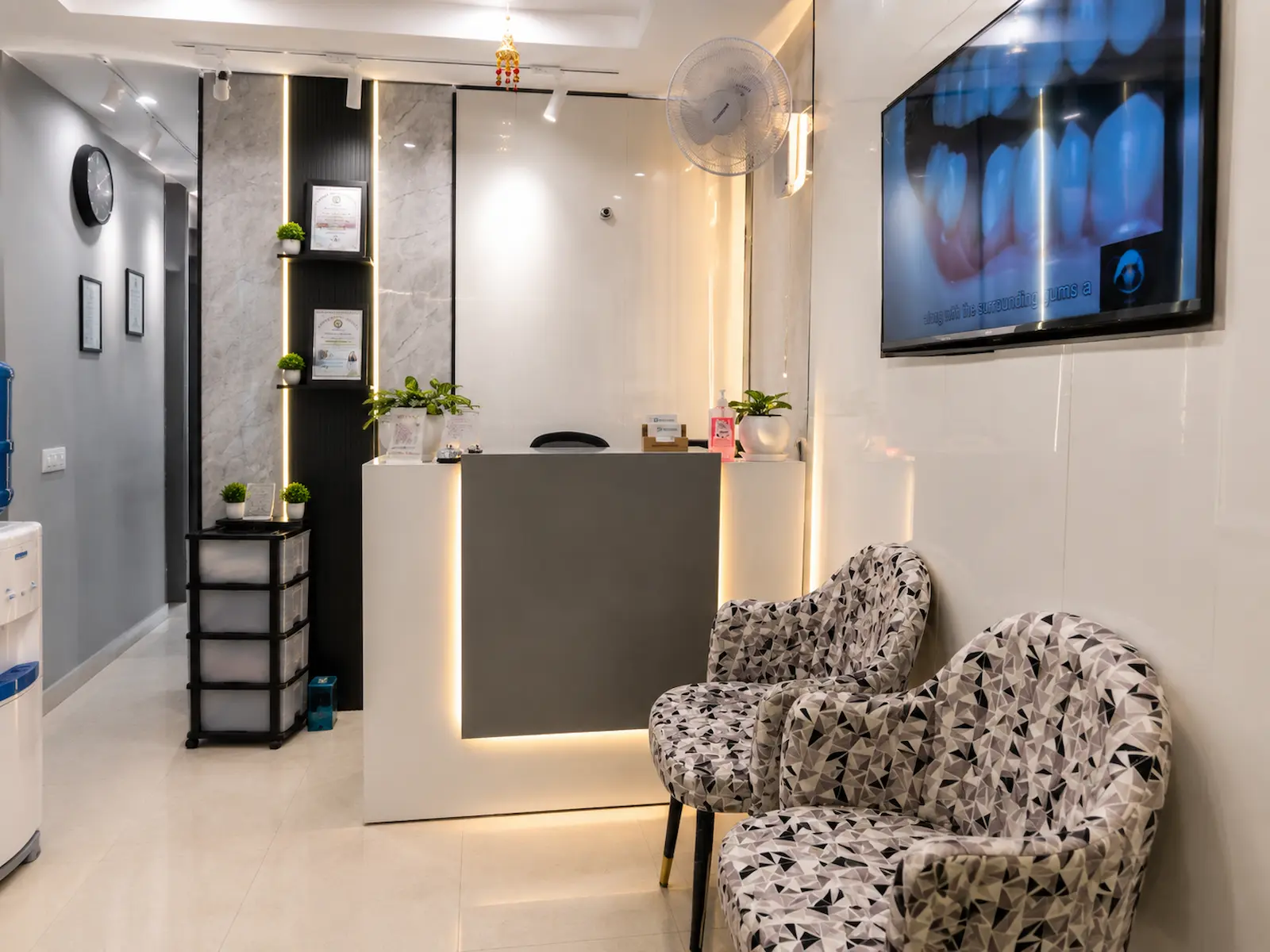
Pristine Dental is a modern, ethics-first practice at SCO 37, First Floor, Sector 19D, Chandigarh, caring for patients across Chandigarh, Mohali, Panchkula, Zirakpur, Kharar, New Chandigarh and the wider Tricity. We treat the cause of your headaches and jaw pain, starting with the simplest effective option.
- Careful jaw, bite and muscle assessment to find what is driving your pain.
- Custom night guards and splints made to fit you precisely.
- Bite correction and orthodontic options when misalignment is the cause.
- Conservative, honest care first — surgery is rarely needed and never our starting point.
- Open seven days a week, convenient for the whole Tricity.
Frequently Asked Questions
Can a dentist treat headaches?
Yes, when the headaches come from a jaw problem. Many tension-type headaches are caused by clenching and grinding that strain the jaw muscles, and a dentist can treat this with a night guard, bite correction and other measures.
How do I know if my headaches are from my jaw?
Clues include headaches that are worst in the morning, tender jaw or temples, clicking or a tight jaw, earache without infection, and worn teeth. If several apply, a dental assessment is worthwhile.
What is the main treatment for TMJ jaw pain?
A custom TMJ splint is the usual first-line treatment. The type is chosen to match your diagnosis — for example a stabilization splint for muscle pain and clenching, or an anterior repositioning splint for disc problems that cause clicking. Most patients improve within a few weeks.
Is a TMJ splint the same as a night guard?
Not quite. A basic night guard mainly protects the teeth from grinding, while a therapeutic TMJ splint is designed to treat the joint or muscles, with the design chosen for your specific diagnosis. Your dentist selects the right one after examining you.
Is TMJ treatment surgery?
Rarely. About 90% of cases improve with conservative, non-surgical care such as night guards, jaw exercises, stress management and sometimes Botox. Surgery is reserved for severe, unresponsive cases.
Can Botox treat jaw pain and headaches?
Yes, in some cases. Small injections into the jaw muscles reduce their over-activity, easing clenching, facial pain and headaches. It is usually used when simpler measures aren't enough.
How long does TMJ treatment take to work?
Many patients feel relief within a few weeks of starting a night guard and self-care. Splint therapy is generally continued for several months for lasting results.
Should I see a dentist or a doctor for jaw-related headaches?
A dentist is usually the best first point of contact, because the problem involves the bite, teeth and jaw joint. Your dentist can coordinate with your doctor if needed.
Can stress really cause jaw pain and headaches?
Yes. Stress makes many people clench and grind, often during sleep, which strains the jaw and triggers headaches and facial pain. Managing stress is an important part of treatment.
Will my headaches come back after treatment?
With a night guard, habit changes and stress management, most people keep symptoms well controlled. Ongoing use of the guard and regular reviews help prevent relapse.
How much does TMJ treatment cost in Chandigarh?
It depends on the treatment. A custom night guard is relatively affordable, while options like Botox or orthodontics cost more. A consultation gives you a clear, itemised plan and price.
Is jaw clicking without pain a problem?
A painless click alone is usually not urgent. It becomes worth checking when it comes with pain, headaches, locking, reduced movement or a bite that feels different.
When to See a Dentist
See a dentist if you have recurring headaches or facial pain along with jaw tenderness, clicking, or signs of grinding — especially if painkillers only offer temporary relief. Early assessment usually means simpler, faster treatment, and it can spare you months of unexplained pain and further tooth wear. If your jaw locks, your bite suddenly changes, or the pain is severe, seek advice promptly. Book a consultation to find out whether your headaches are coming from your jaw — and what can be done about it.
Conclusion
Headaches and jaw pain that have puzzled you for years may have a simple, treatable source: an overworked jaw joint. A dentist can find that connection, confirm whether clenching or grinding is behind your symptoms, and treat it with proven, conservative options — most often a custom night guard, backed by bite correction, jaw exercises, stress management, and Botox when needed. With around nine in ten patients improving without surgery, there is real reason for optimism. If your headaches keep coming back, it is worth asking a dentist whether your jaw is the missing piece.
Tired of unexplained headaches and jaw pain?
Book a TMJ consultation at Pristine Dental, SCO 37, First Floor, Sector 19D, Chandigarh. We'll assess your jaw and bite, find the cause, and start with the simplest effective treatment — with no pressure. Serving Chandigarh, Mohali, Panchkula, Zirakpur and the wider Tricity.
Book Your TMJ Consultation
Periodontist & implantologist with 14+ years' experience at Pristine Dental, Sector 19D, Chandigarh. Reviews clinical content for accuracy.